Laser Skin Resurfacing
Personalized care for natural-looking results
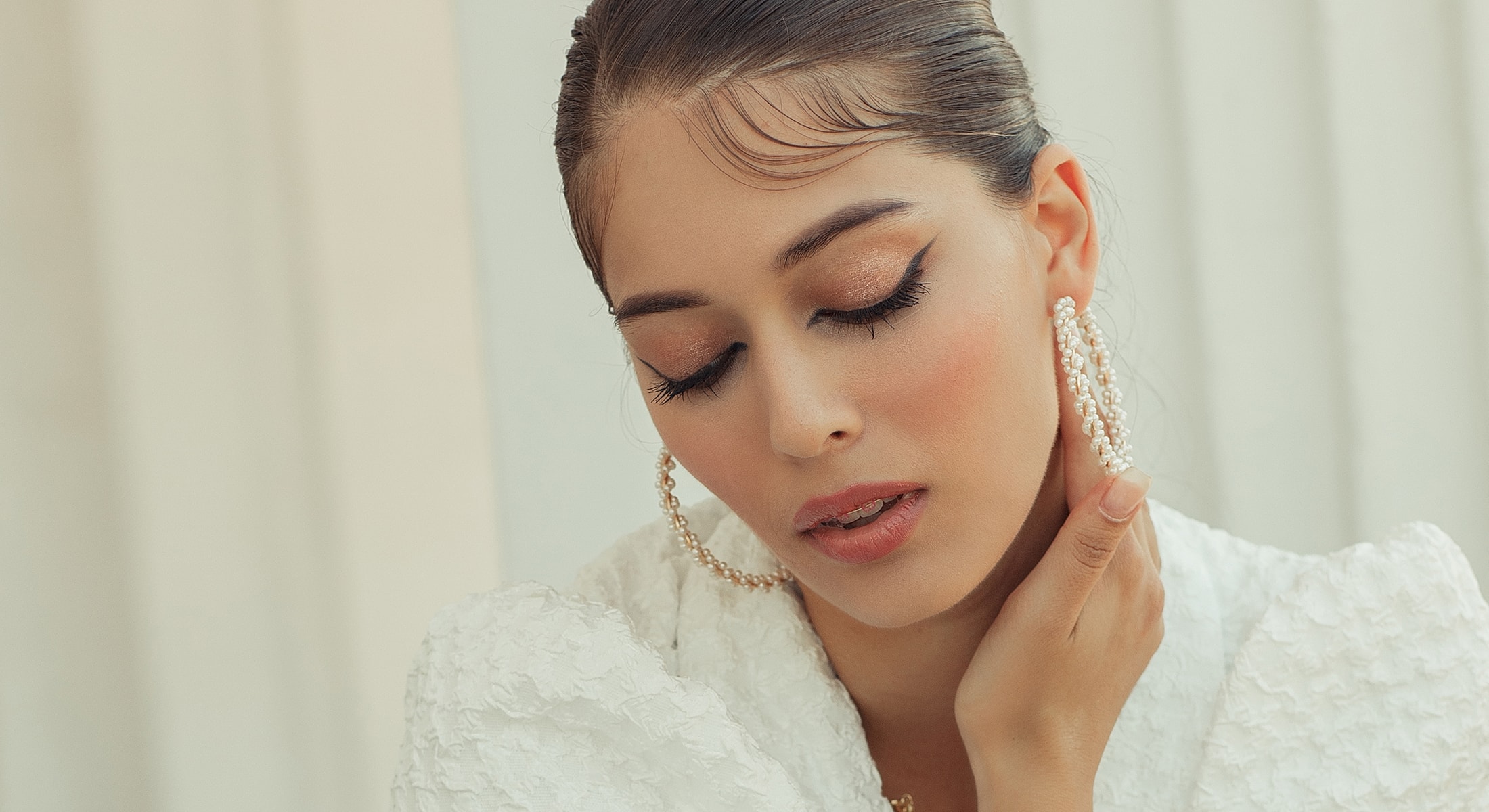
Laser skin resurfacing is a customizable treatment that gently removes damaged outer layers of skin and encourages fresh, healthy skin to take their place. It can be a thoughtful choice if you are noticing fine lines, sun damage, uneven texture, enlarged pores, or lingering acne scars. In our Los Angeles medspa, your resurfacing plan is tailored to your skin type, concerns, and how much downtime you are realistically willing to take on. Treatments are performed by experienced providers under medical supervision, with a focus on natural-looking, refined results rather than an overdone or obvious change.
From your first visit, we keep the process transparent and low-pressure. We will walk you through different resurfacing options, expected recovery, and pricing in a straightforward, cash-pay format so you know what you are choosing and why. You can expect honest guidance about whether laser resurfacing is the right tool for your skin or if another approach might serve you better. No hard sell, no scare tactics, and definitely no promises of perfection, just careful treatment designed to help you feel a bit more at ease every time you look in the mirror.
Laser skin resurfacing uses focused light energy to create controlled micro-injury in the skin. That may sound intense, but think of it as very precise exfoliation that also wakes up your collagen. In lighter or fractional treatments, the laser treats tiny columns or micro-zones of skin while leaving surrounding tissue intact, which supports faster healing and less downtime. Deeper, more intensive resurfacing can remove a greater amount of damaged skin and reach further into the dermis to address more pronounced wrinkles and texture changes, typically with a longer, but still planned, recovery period.
During your appointment, your skin is thoroughly cleansed and photographed so we can track your progress. Protective eye shields are placed, and for most face treatments a topical numbing cream is applied so the sensation is more "warm prickling" than "why did I agree to this." Your provider then glides the laser handpiece over the treatment area in passes, checking in frequently and adjusting settings as needed. Sessions for the face usually last between about 20 and 60 minutes, depending on whether you are having a light refresh or a more intensive resurfacing. Throughout the visit we monitor your comfort, cooling measures may be used, and you leave with clear, written aftercare instructions instead of guesswork.

The benefits of laser skin resurfacing are not one-size-fits-all. Your results depend on your skin type, the depth of treatment, and how well you care for your skin afterwards. Lighter sessions can offer a quick refresh with minimal downtime, while deeper resurfacing can create more noticeable change in texture and wrinkles with a more deliberate healing window. In Los Angeles, where sun and social calendars are both strong influences, we help you choose an approach that fits your lifestyle, not the other way around.
By gently removing the rough, damaged outer layer of skin and stimulating new cell turnover, laser resurfacing can soften uneven texture and the look of enlarged pores. Makeup tends to sit more smoothly, but many patients find they are more comfortable wearing less makeup overall. The goal is skin that feels as soft as it looks, not a blurred, filtered effect.
As laser energy reaches deeper layers of the skin, it encourages fresh collagen and elastin production. Over time, this can soften the appearance of fine lines around the eyes, mouth, and forehead. We are careful to respect your natural expressions, aiming for a rested look that still looks like you on your best day, not someone else entirely.
Years of Los Angeles sunshine can leave behind sun spots, blotchiness, and a dull surface. Laser resurfacing helps fade areas of discoloration and encourages a more even, luminous tone. We will talk honestly about what is realistic in your case, especially for deeper or long-standing pigmentation, and may recommend a series of treatments for more complex concerns.
For certain types of acne scarring, especially shallow or textural scars, laser resurfacing can gradually smooth edges and reduce shadows that make scars more noticeable. It can also improve overall clarity so that the skin reflects light more evenly. Results build over a series of treatments for many patients, and we will outline a step-by-step plan so you know what to expect along the way.
Ideal candidates for laser skin resurfacing are adults who would like to address fine lines, acne scars, sun damage, uneven tone, enlarged pores, or generally tired-looking skin without surgery. It can be a strong choice if you are open to some degree of downtime and are looking for gradual, natural-looking improvement rather than an instant transformation. During your consultation, we review your skin tone, medical history, current skincare routine, and lifestyle, then suggest lighter or deeper options accordingly. Things like your work schedule, upcoming events, and how you heal all play a role in how we design your plan.
Laser resurfacing is not ideal for every person or every skin concern. Individuals with very active acne, open infections, certain autoimmune conditions, a history of keloid scarring, or very deep or very dark skin tones may require modified approaches or a different treatment entirely. We also take a careful look at medications, recent sun exposure, and previous cosmetic procedures. If traditional resurfacing is not the safest choice for you, we will explain why and discuss alternative options rather than pushing ahead. The goal is to match you with the right treatment, not to make every face fit the same laser.
Your experience begins with a thorough consultation and skin assessment. We will review your medical history, current products, photos, and goals, then walk you through what different levels of resurfacing involve. In some cases, you may be asked to start a simple pre-treatment skincare routine or pause certain actives in the weeks before your session to help your skin respond smoothly. On the day of treatment, you arrive with clean skin, we confirm your plan together, and a topical numbing cream is applied for many facial treatments to keep you comfortable. Protective eyewear is used for both you and your provider, and we check your comfort level before starting.
During the procedure, you may feel a warm, prickling, or snapping sensation as the laser passes over each area. Most patients describe it as uncomfortable but manageable, especially with numbing and cooling support. Sessions typically range from about 20 minutes for focused, lighter treatments to closer to an hour for more comprehensive resurfacing. Immediately afterwards, your skin will feel warm, similar to a sunburn, and look flushed or red. Before you leave, we apply soothing products, review aftercare step by step, and answer the questions everyone asks, including the big one: "How long will I look like I had something done?" You will head home with clear instructions and a direct way to reach our team if anything concerns you.
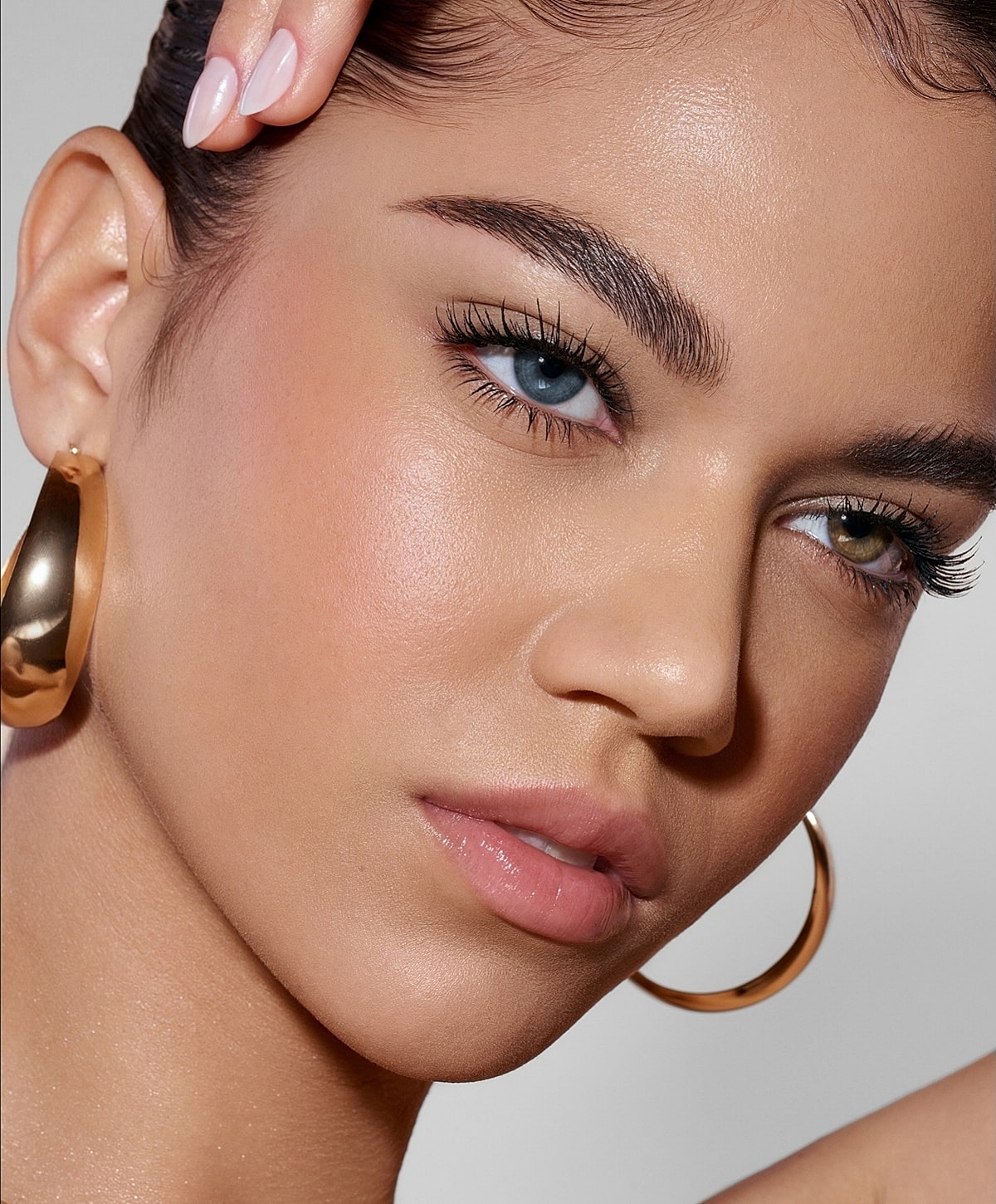
As your skin recovers from laser resurfacing, changes appear gradually. First, the surface looks smoother and more even as redness settles. Over the following weeks and months, fresh collagen continues to develop, supporting improvements in fine lines, pore visibility, and overall tone. How many sessions you may need depends on your starting point and goals: some patients choose a single deeper treatment for more significant change, while others prefer a series of lighter sessions to build results over time with shorter recovery periods.
Longevity is influenced by the depth of your treatment, your daily skincare habits, and how faithfully you protect your skin from the sun. We will help you design a long-term maintenance plan that may include periodic touch-up resurfacing and complementary treatments chosen for your specific concerns, along with a home routine that supports your results. The intention is not to make you look like a different person, but to help you look rested, refreshed, and well cared for in a way that still feels very much like you.

Pricing for laser skin resurfacing varies based on the areas treated, the depth and type of resurfacing, and whether you choose a single session or a series. Treating the full face with a deeper approach generally costs more than a light refresh or a small, focused area such as around the eyes or a single scar. During your consultation, we will outline options with clear, cash-pay pricing so you can compare lighter versus more intensive plans and decide what fits both your goals and your budget before scheduling.
The number of sessions needed depends on your skin concerns and the strength of each treatment. Some patients with mild texture or early fine lines are pleased after one well-planned session. Others, especially those with more noticeable sun damage or acne scarring, may benefit from a series of lighter treatments spaced several weeks apart or a combination of deeper and maintenance sessions. During your consultation in Los Angeles, we will create a personalized roadmap so you understand what kind of commitment is realistic for the results you are hoping to see.
It is very common for the first question to be about pain, not pores. Most patients describe laser resurfacing as a warm, prickling, or snapping sensation rather than sharp pain. To keep you comfortable, we typically apply a topical numbing cream before treatment and may use cooling or air flow during the procedure. Deeper sessions can feel more intense, but these are planned with extra numbing time and close monitoring. If at any point you are uncomfortable, your provider can pause, adjust settings, or add additional comfort measures. You are encouraged to speak up; this is not a "grin and bear it" situation.
For lighter or fractional treatments, redness and mild swelling usually peak in the first 24 to 48 hours, then fade over several days. Some patients feel ready for social events with makeup within about 3 to 5 days, though a subtle pink tone may linger a bit longer. Deeper resurfacing involves a more visible healing phase with peeling, flaking, and pronounced redness that can last 7 to 14 days, followed by a period of softer pinkness that gradually settles over several weeks. We will give you a realistic expectation based on your specific plan so you can schedule around work, events, or travel.
Your return-to-normal timeline depends on how private you want your healing to be and which level of resurfacing you choose. After lighter treatments, many patients are comfortable working from home within a day and returning to in-person work or casual outings within a few days, especially if they do not mind a bit of pinkness. After deeper sessions, you may prefer to plan a week or two away from big events while the skin is most red and actively peeling. During your consultation, we will help you match your treatment choice to your calendar so you are not debating whether to RSVP "yes" or "I am currently in my skin cocoon."
Before laser skin resurfacing, we usually recommend avoiding tanning, self-tanner, and unprotected sun exposure for several weeks. You may also be asked to pause certain active products, such as strong retinoids or exfoliating acids, so your skin is calm and balanced going into treatment. If you are prone to cold sores around the mouth, we may prescribe preventive medication to reduce the risk of a flare. At your consultation, we will review your current skincare routine in detail and provide a simple, written prep plan so you know exactly what to use, what to pause, and when.
Laser resurfacing can be performed safely on many different skin tones, but the approach and settings must be chosen carefully. For lighter and some medium tones, a broader range of options may be available. For deeper or very dark skin tones, we are more conservative and may favor specific techniques, gentler settings, or alternative treatments to reduce the risk of pigment changes. During your consultation, we will assess your skin in person, discuss your history with pigmentation, and explain which resurfacing approaches, if any, are appropriate for you. If another treatment is safer or more predictable, we will be upfront about that and help you explore those options.