Chemical Peels in Los Angeles
Gently refresh, brighten, and smooth your skin with expert care

Chemical peels are a gentle, controlled way to exfoliate the skin using a customized solution applied by a trained provider. By encouraging the outer layers of tired, damaged skin cells to shed, peels can help soften the look of fine lines, sun damage, uneven tone, mild acne scarring, and overall dullness. The result is skin that looks a little smoother, a little clearer, and a lot more refreshed.
In our Los Angeles medspa setting, chemical peels are medical-grade yet highly customizable. We tailor each treatment to your unique skin type, tone, and goals so it feels more like a thoughtful skincare upgrade than anything harsh or scary. Every peel is performed with your comfort, safety, and natural-looking results in mind, so you can feel confident that your skin is being cared for, not rushed or overtreated.
During a chemical peel, a carefully selected solution is applied to the skin for a precise amount of time. This creates a controlled exfoliation that loosens the bonds between older surface cells. Over the next few days, those cells shed, making way for fresh, newly revealed skin with a smoother feel and more even appearance. Think of it as encouraging your skin to let go of what it no longer needs, so your natural glow has room to shine.
Chemical peels come in several depths: light or superficial peels that offer a quick, minimal-downtime refresh; medium-depth peels that target more noticeable texture and pigment changes; and deeper medical-grade peels reserved for specific, more advanced concerns. During your consultation, we consider your skin type, tone, sensitivity, lifestyle, upcoming events, and how much downtime you realistically want. From there, we recommend a peel strength that fits your life and your goals so you get glow without unnecessary drama.


The benefits of chemical peels depend on the strength of the peel, your skin type, and how consistently you treat your skin over time. Rather than trying to erase every line overnight, we focus on helping your complexion look more refined, balanced, and naturally refreshed. Here are a few reasons people in Los Angeles turn to chemical peels as part of their skincare routine:
Chemical peels can soften the appearance of sun spots, discoloration, and overall uneven tone that tend to collect in a sunny city like Los Angeles. By gradually lifting pigment in the outer layers of the skin, peels help your complexion look clearer and more luminous, without looking over-processed.
As older, rougher surface cells shed, the skin often feels softer and more refined. Light to medium-depth peels can improve the look of fine lines, early creases, and rough patches, creating a smoother canvas for skincare and makeup. The goal is quietly polished, not frozen or fake.
Certain peels are designed to gently address congestion, clogged pores, and post-acne discoloration. By helping skin exfoliate more effectively, they can support clearer-looking pores and gradually soften the appearance of lingering marks. For active or more complex acne, we may pair peels with a broader treatment and skincare plan.
Many patients notice that after a series of appropriately spaced peels, their skin looks healthier, smoother, and more awake. Makeup tends to sit better, skincare products absorb more evenly, and there is a subtle, post-vacation quality to the complexion, even if your last trip was only to the office and back.
Chemical peels are a good option for many people who want a nonsurgical, customizable treatment to refresh their skin. Ideal candidates often notice early fine lines, rough or uneven texture, congestion, sun damage, or patches of uneven tone. Peels can be tailored for skincare beginners who want a gentle introduction, as well as experienced skincare enthusiasts looking to refine their routine. During your consultation, we carefully evaluate your skin in person, discuss your goals, and recommend a peel approach that feels realistic and sustainable.
Not every peel is right for every person, and that is where medical guidance matters. We consider all Fitzpatrick skin types, sensitivities, a history of rosacea, active breakouts, recent sun exposure, and current medications or topical products. For some patients, we may recommend a pre-treatment skincare plan before moving to a peel, or suggest an alternative treatment if that is safer for your skin at this time. Our priority is long-term skin health and safety, not pushing you into a peel that does not fit your skin or your comfort level.
If you have collected a few extra “freckles” from years of Los Angeles sunshine, you are not alone. Certain chemical peels can help soften the appearance of sun spots, melasma, and blotchy tone by gradually exfoliating pigment near the surface of the skin. We typically recommend a series of lighter or medium-depth peels, paired with daily SPF and pigment-targeting skincare, for a more even, balanced look over time.

For skin that feels perpetually clogged or rough, the right peel can support more efficient cell turnover and clearer-looking pores. We may use specific formulas that help address blackheads, congestion, and the discoloration that can linger after breakouts. For ongoing or more severe acne, peels are usually just one part of a broader plan that can include skincare, lifestyle guidance, and other in-office treatments tailored to your skin.

When foundation starts to catch on dry patches or fine lines look more noticeable than you would like, a chemical peel can help by softening surface roughness and early creases. By encouraging the skin to shed older cells and reveal fresher layers, peels can leave the skin feeling smoother, softer, and better prepped for both skincare and makeup. For deeper lines, we may discuss combining peels with other treatments for a more comprehensive approach.
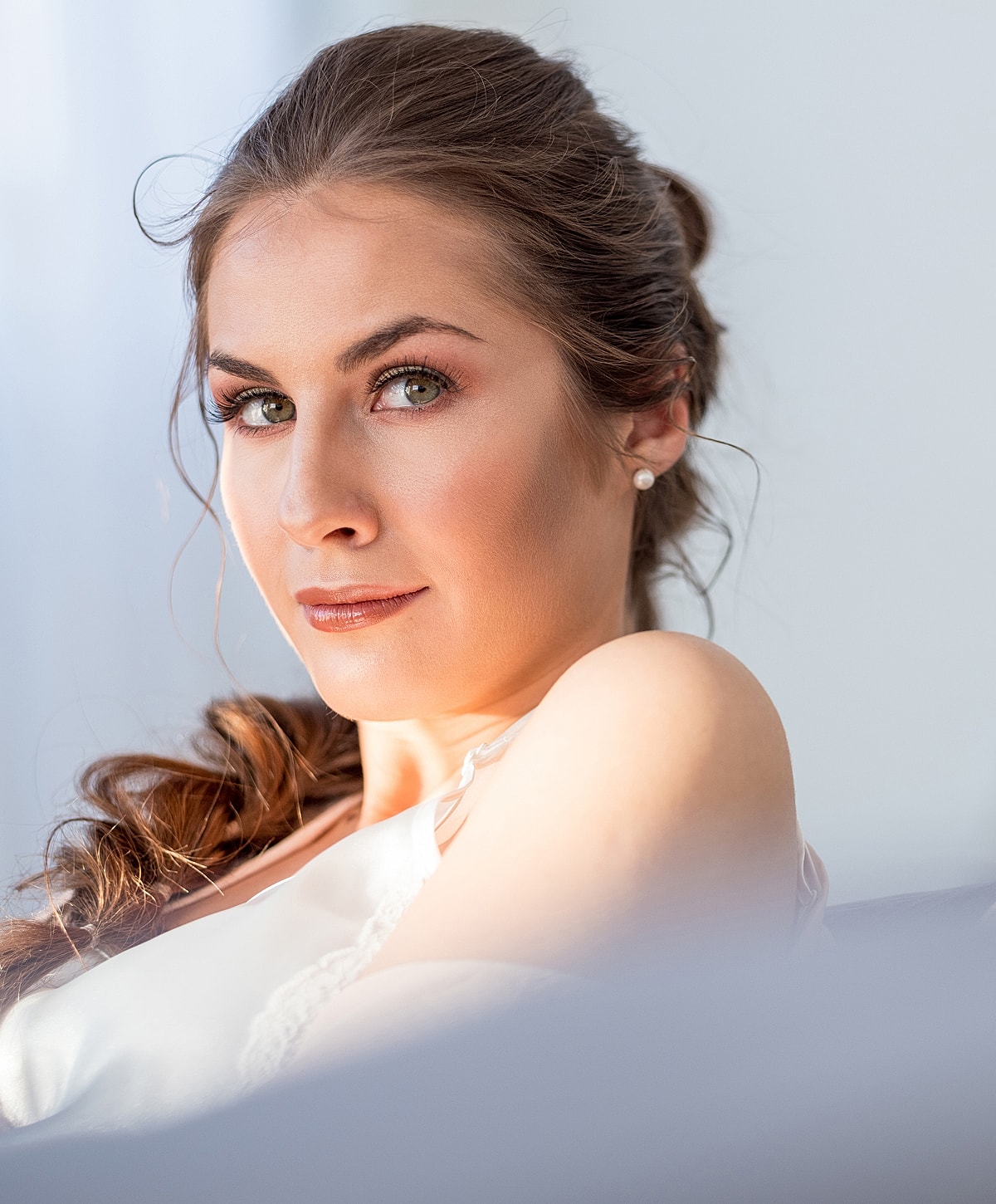
If your skin looks a bit flat, tired, or lackluster (even after a good night’s sleep), a well-chosen peel can help restore a brighter, more refreshed-looking complexion. By lifting away buildup at the surface and supporting healthier cell turnover, peels often leave the skin with a soft, natural radiance. We will help you choose a depth and schedule that fits your routine, so your glow feels effortless, not high-maintenance.


Recovery after a chemical peel varies with the depth and strength of the treatment. Light peels usually come with minimal downtime: a bit of temporary redness, mild flaking, and a feeling of tightness that often resolve within a few days. Medium-strength peels can involve more noticeable peeling and redness over about 5 to 7 days, while deeper medical-grade peels require a longer, more structured recovery. Peeling is a normal part of the process and simply reflects your skin letting go of older, treated layers.
We will send you home with clear, customized aftercare instructions so you know exactly how to care for your skin. This typically includes staying diligent with sun protection, using a gentle cleanser and a hydrating moisturizer, pausing strong actives like retinoids and exfoliants, avoiding picking or pulling at flaking skin, and waiting a short period before returning to makeup or intense workouts. Our team is always available if you have questions or concerns during healing, and every recommendation is made with comfort and long-term skin health as the priority.
After a chemical peel, most patients begin to notice improvements as flaking subsides and fresh skin appears over several days. Skin often feels softer and smoother, with a more even tone and a subtle brightness that looks like you have been sleeping well and drinking your water. Depending on your goals and the concerns we are addressing, we may recommend a series of peels spaced several weeks apart to gradually build and refine your results in a way that feels natural.
To maintain your results, we focus on the essentials: consistent sunscreen use, supportive home skincare, and periodic in-office treatments that complement your peel, such as nourishing facials or collagen-stimulating therapies when appropriate. Together, we will design a plan that fits your lifestyle and comfort level, with the goal of healthy, balanced, and authentic-looking skin rather than an over-treated or “overdone” appearance.


The cost of a chemical peel varies based on the type of peel, depth, treatment area, and whether it is part of a series. Lighter peels are typically less expensive, while more advanced, medical-grade peels may cost more due to the strength of the formula and the level of monitoring involved. During your consultation, we will provide a personalized treatment plan and clear pricing so you know what to expect, including options for single sessions and series when appropriate.
The best peel for you depends on your skin type, current concerns, and how much downtime you are comfortable with. During your visit, we will assess factors like pigment, sensitivity, history of irritation, and your goals for improvement. Many patients start with a lighter peel to see how their skin responds, then adjust intensity or frequency over time. You will never be asked to choose a peel depth on your own; your provider will make a recommendation and walk you through the reasoning behind it.
Most people describe chemical peels as warm, tingly, or a bit spicy rather than painful. Lighter peels typically feel like a mild warmth or prickling that fades quickly, while stronger peels can feel more intense for a few minutes. Your provider will monitor your skin throughout the treatment and can use techniques such as cooling, neutralizing, and topical soothing products to maximize comfort. Afterward, the skin may feel tight, dry, or mildly sunburned for a few days, which is normal and usually manageable with the recommended aftercare.
Peeling typically begins a couple of days after your treatment and can last anywhere from 2 to 7 days, depending on the depth of the peel. Light peels often cause mild flaking that many people feel comfortable working through, especially with a hydrating moisturizer and a bit of patience. Medium-depth peels can involve more obvious peeling and redness, so some patients prefer to schedule them around time off or remote work days. We will discuss what to expect from your specific peel so you can plan your schedule accordingly.
Yes, chemical peels can be performed safely on a wide range of skin tones and sensitive skin types, but product choice and technique matter. For deeper skin tones, we are especially careful to use appropriate formulas and pre- and post-care to minimize the risk of unwanted pigment changes. For sensitive or reactive skin, we may start with gentler options, space treatments further apart, or suggest skin-conditioning products before your first peel. Your provider will review your history and customize your plan so safety is prioritized at every step.
Frequency depends on the type of peel and your skin’s response. Light peels are often performed every 4 to 6 weeks as part of an ongoing skincare plan. Medium-depth peels are spaced further apart to allow for complete healing, and deeper medical-grade peels are usually done much less frequently. Many patients see meaningful improvement with a series of treatments rather than a single session. During your consultation, we will outline a schedule that fits both your goals and your lifestyle.
You will typically start to notice results as flaking subsides and new skin is revealed over the first week or so. Tone and texture often continue to improve over the following weeks, especially with a series of treatments. How long results last depends on factors like sun exposure, skincare habits, and natural skin aging. With good daily care and periodic maintenance treatments, many patients enjoy smoother, more radiant-looking skin long term.
Yes. Before a peel, we usually recommend avoiding unprotected sun exposure, self-tanners on the treatment area, waxing, and certain topical products such as retinoids, exfoliating acids, and strong scrubs for a period of time. You should also let us know about any recent procedures, medications, or history of cold sores so we can plan appropriately. At your consultation, you will receive specific pre-treatment instructions tailored to your peel type and your skin.